Allied AOS
3web, desktop, and mobile
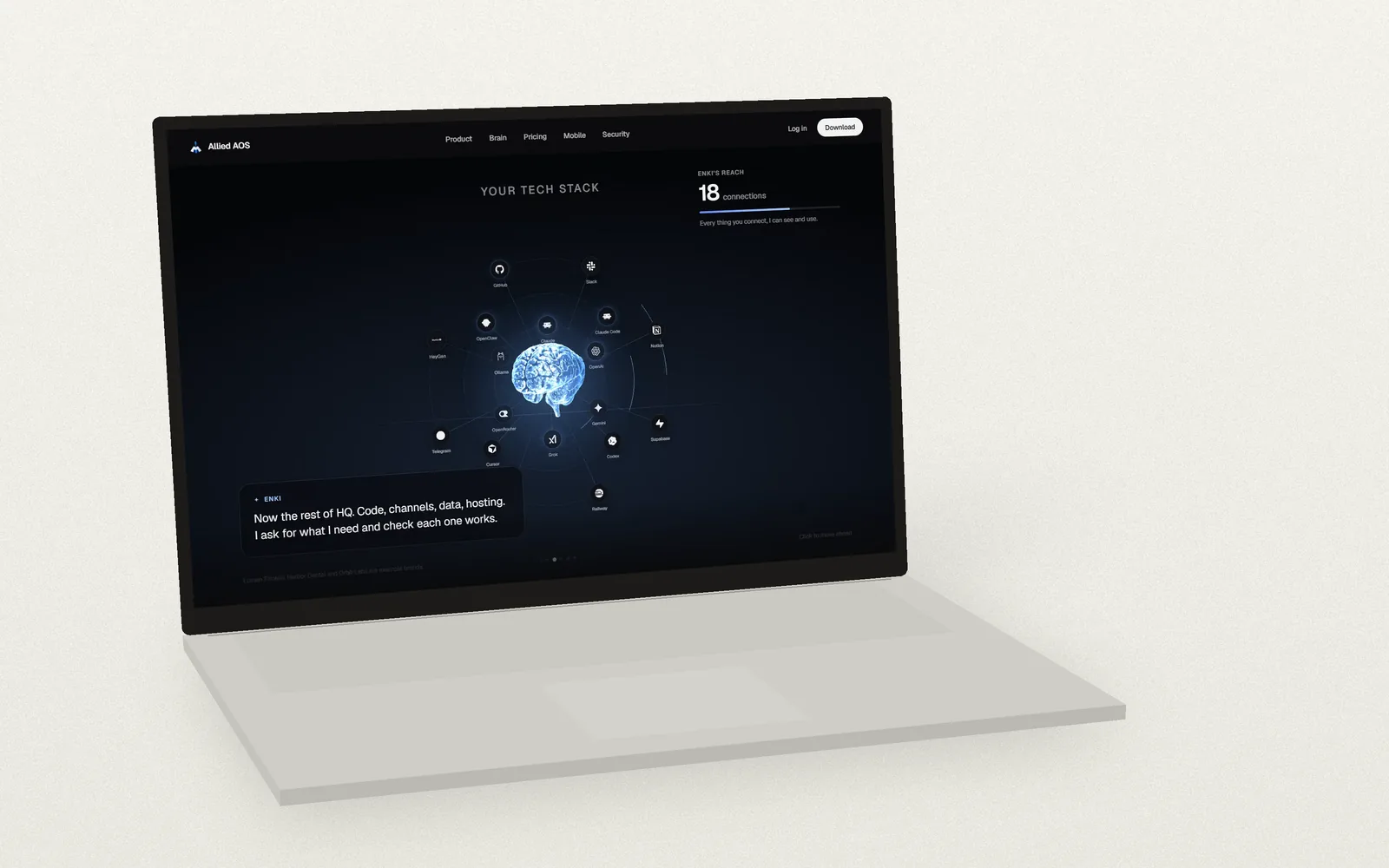
Your HQ for a team of AI agents.
Enki builds a team of AI agents for every brand and client, and nothing goes out until you approve it.
- Web
- Desktop
- Mobile
For owners whose software is now the constraint
A product shaped around how your company sells and delivers, on the web, the desktop, and the phone, with the code and the prompts in your name. Built by the team that builds and runs its own platforms.
Per-seat tools, each with its own login, its own data, and its own price rise. The company runs on software it does not own and cannot change.
A build with nobody accountable for the product drifts: features ship, the job the software was meant to finish does not get finished.
The agency moves on, the repository is in their name, and the next change costs a rewrite. The fix is ownership from the first week. See how a build is structured.
Two weeks. The user, the job the software must finish, the scope, the plan, and the risk list, in writing.
A fixed scope for a defined product, or a team that runs in sprints for as long as the work continues.
One product on every screen your team already uses, from one codebase where that makes sense.
AI in the workflow from the start, with a person approving anything that leaves the building.
Allied AOSOne goal, three agentsAllied AOS, our own agent platform: every agent result waits for a human yes. The same pattern goes into what we build for you.
Each one runs on the web, on the desktop, and on a phone. We use them every day in our own companies, which is the only proof of a build that counts.
3web, desktop, and mobile
Your HQ for a team of AI agents.
Enki builds a team of AI agents for every brand and client, and nothing goes out until you approve it.

Unlimitedusers per account
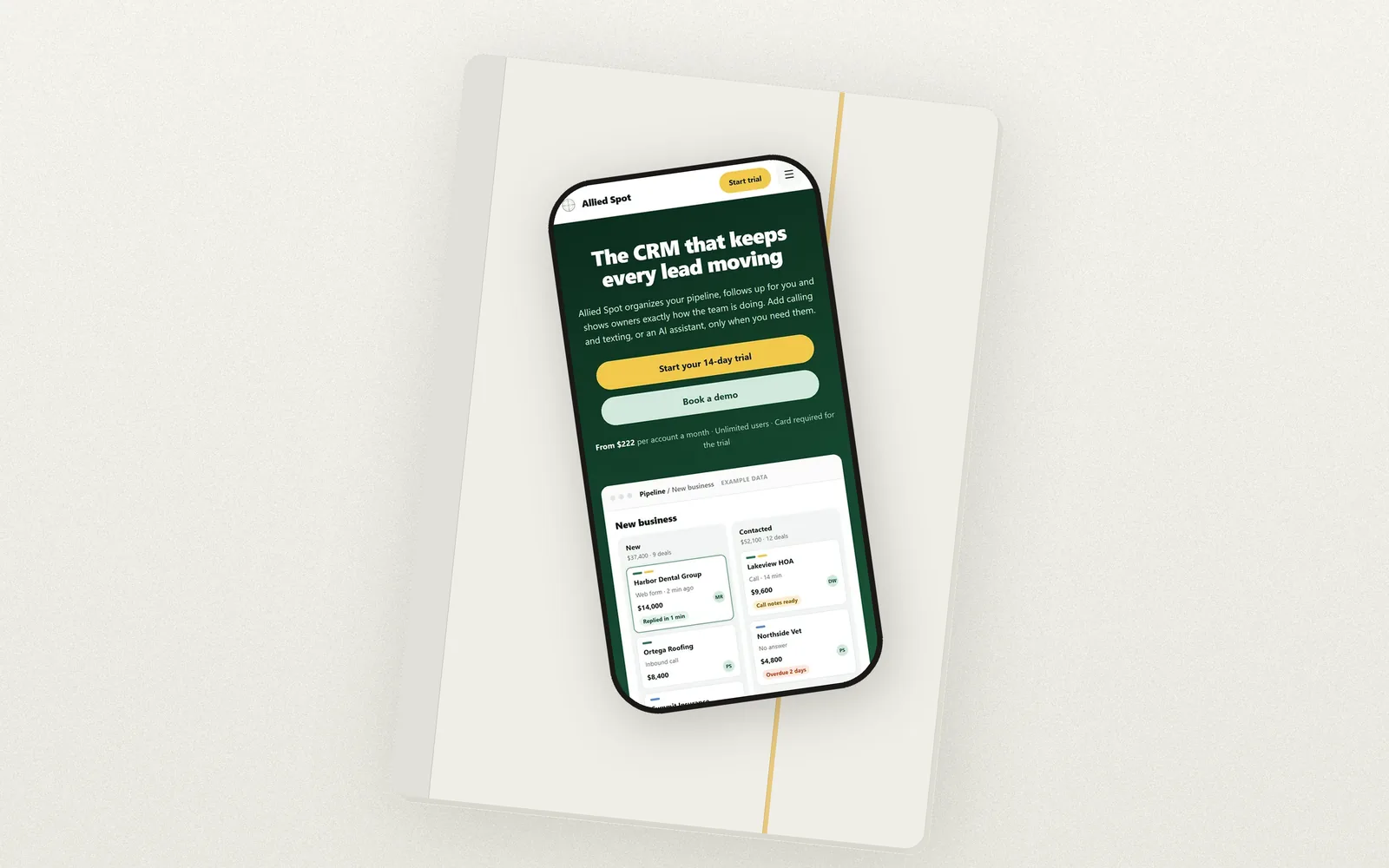
The CRM that keeps every lead moving.
Pipelines, email, automations, booking, and invoices for unlimited users, with an optional Phone System and Sophia AI.
Freeto start
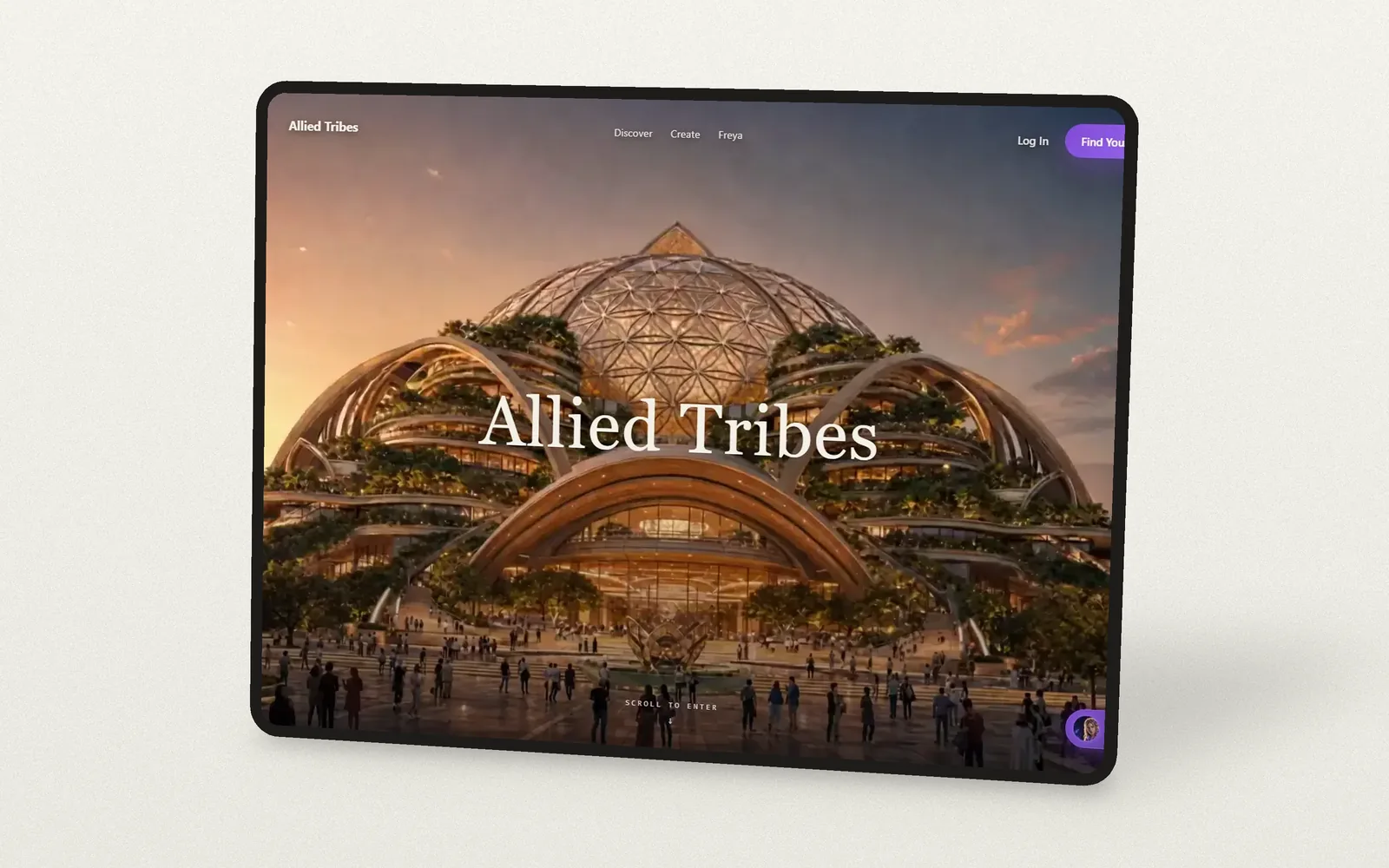
Find the people who belong in your life.
Create or join a tribe, connect online and in person, and sell courses, tickets, and tiers, guided by Freya.
Apply with the company, the team, and the job the software must finish. Not ready for that? Run the free security report on the software you already have.
The numbers come after discovery and are walked through on the call. We work with founder-led companies with five or more salespeople and at least $100,000 in monthly revenue. The service page has what a build includes.
You do. The repository, the cloud accounts, the credentials, and the prompts sit in your name from the first week. There is no login to our platform to keep paying for.
Two weeks of discovery produces the scope, the plan, and the risk list. A fixed-scope build follows that plan; a dedicated team runs in sprints for as long as the work continues. The dates come out of discovery, not before it.
You can, with the documentation we leave behind, or we can under a separate monthly agreement. Maintenance is never assumed into a build.
Inside the workflow, with a person approving anything that leaves the building. Enki in Allied AOS and Sophia in Allied Spot are the pattern: a trigger, a model, the tools it may call, and a human yes.
Yes. The three platforms we run each have a web app, a desktop app, and a mobile app, built from one codebase where that makes sense and separately where it does not.
We document what is there before we change anything, then say what stays, what gets replaced, and what we should build. Loyalty to a stack is not the point; a product your team can run is.
Apply with the company, the team, and the job the software must finish. If it is a fit, you will hear back within one business day.